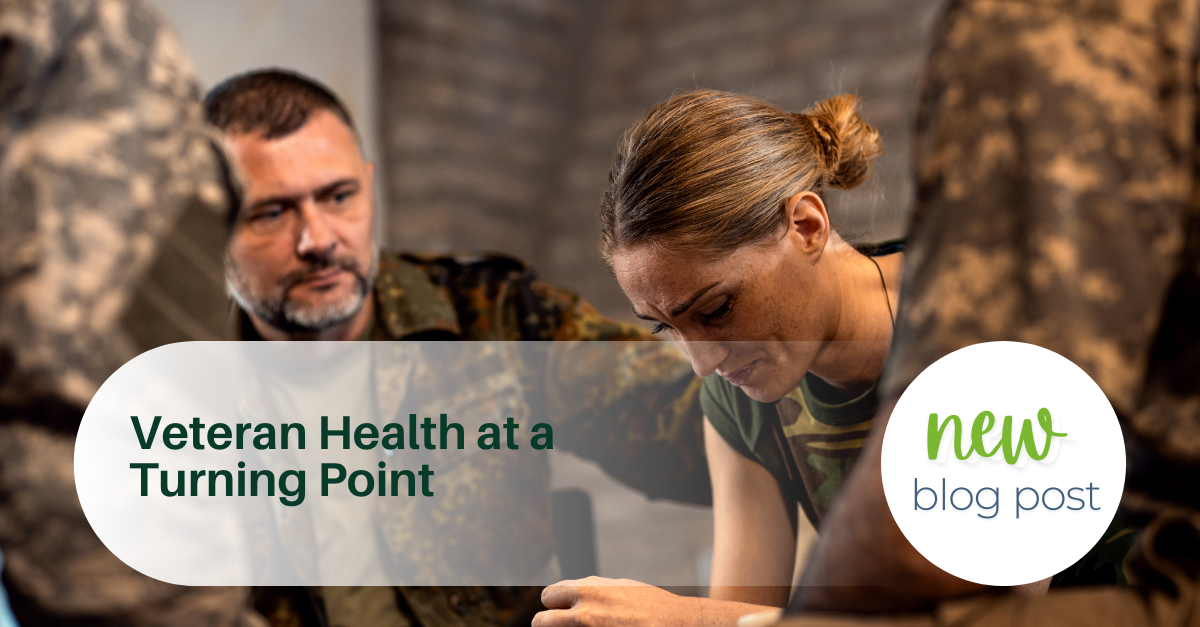
Veteran Health at a Turning Point
Veteran health is at a critical crossroads, with high burdens of mental health conditions, chronic disease, obesity, and preventable illnesses like type 2 diabetes. These challenges demand prevention-focused solutions that honor service by improving day-to-day quality of life, not only responding in crisis.
Why Veteran Health Matters Now
Veterans carry unique physical and emotional burdens from deployment, combat exposure, environmental exposures, and the transition back to civilian life. These experiences create health risks that differ from those in the general population.
- Veterans experience higher rates of multiple chronic conditions than nonveterans, especially among those receiving VA care.
- National data show that veterans die by suicide at a rate roughly double that of nonveteran adults.
- In 2022, the U.S. lost an average of 17.6 veterans to suicide every day, underscoring the urgency of better mental health and prevention strategies.
Key Veteran Health Challenges
Mental health and suicide risk
Many veterans live with “invisible wounds”—posttraumatic stress disorder (PTSD), depression, moral injury, and traumatic brain injury—that affect relationships, work, and physical health. Stigma, long waits, and logistical barriers often make it hard to seek help.
- PTSD is one of the most common serviceconnected mental health disabilities, affecting well over 1.5 million veterans in the VA system.
- Large surveys show very high rates of PTSD, depression, and anxiety among post9/11 warriors, with more than 1 in 4 reporting suicidal thoughts in the past year.
- Untreated PTSD and depression are linked to substance use, poor sleep, weight gain, and worse outcomes for chronic conditions like diabetes and heart disease.
Chronic disease and lifestyle-related conditions
Beyond mental health, veterans experience substantial burdens of heart disease, diabetes, obesity, chronic pain, and sleep disorders, many of which are preventable or improvable.
- Multimorbidity—having several chronic conditions at once—is common among veterans and complicates treatment.
- Sleep problems and chronic pain are highly prevalent and closely tied to reduced quality of life and elevated suicide risk.
- Lifestyle factors such as inactivity, tobacco use, high stress, and inconsistent access to healthy food strongly drive longterm health risks.
The Hidden Diabetes Crisis in Veteran Health
Diabetes is one of the most powerful and underrecognized drivers of disability and reduced quality of life among veterans. Diabetes and prediabetes are far more common in VA patients than in the general U.S. adult population.
- Diabetes affects nearly 25% of U.S. Department of Veterans Affairs (VA) patients, and roughly three million additional veterans are estimated to have prediabetes.
- Veterans—especially males—may face higher diabetes risk due to obesity, health disparities, and exposure to herbicides such as Agent Orange, which is now recognized as a contributing factor to type 2 diabetes.
Obesity, PTSD, Depression, and Diabetes: A Dangerous Combination
For many veterans, diabetes does not exist in isolation. It often sits at the intersection of excess weight, mental health conditions, and servicerelated exposures.
- Obesity is a leading cause of diabetes in the veteran population. Research shows that when you combine overweight and obesity, about 80% of veterans are above a healthy weight.
- Two powerful additional risk factors for diabetes are depression and PTSD.
- Depression affects roughly 11% of veterans, and PTSD affects nearly 13%, with some groups experiencing even higher rates.
- Veterans with PTSD and depression have higher rates of obesity, worse health behaviors (like poor diet and inactivity), and significantly increased risk for developing diabetes and experiencing complications.
These facts make clear that diabetes among veterans is not just a blood sugar issue. It reflects a complex web of physical, psychological, and environmental factors—exactly where prevention and integrated lifestyle support can make the biggest difference.
How Prevention Changes the Story
A preventionfirst approach can change the trajectory for veterans—from repeated health crises to more stable, independent living. Instead of waiting until conditions spiral, prevention focuses on small, consistent changes that are realistic in the context of pain, trauma, and busy lives.
Effective prevention strategies for veterans include:
- Lifestyle and behavior change support
- Practical, culturally sensitive nutrition coaching to reduce weight, lower blood pressure, and improve cholesterol.
- Gradual, tailored physical activity plans that respect chronic pain, disability, or limited mobility.
- Sleep hygiene strategies (routine, environment, screen time) that improve rest and reduce PTSD and depression symptoms.
- Mental and emotional health integration
- Stressmanagement tools such as mindfulness, breathing exercises, and peer support groups.
- Education to help veterans and families recognize early warning signs of depression, PTSD, and substance use, and to connect with help earlier.
- Chronic disease selfmanagement
- Clear education on the meaning of A1C, blood sugar, blood pressure, and cholesterol values—and how lifestyle changes affect those numbers.
- Goalsetting, tracking, and accountability to support veterans between clinic visits, not just during appointments.
How ProVention Health Programs Support Veteran Health
ProVention Health Foundation delivers prevention-focused, evidence-based programs that can be tailored to veterans through employers, health systems, veteranserving nonprofits, and community organizations.
HALT (Health and Lifestyle Training) programs
HALT programs provide structured, coachsupported lifestyle change that can be delivered online or in hybrid formats—ideal for veterans balancing work, family, appointments, and mobility challenges.
- Focus areas highly relevant to veterans:
- Type 2 diabetes prevention and management
- Heart disease and high blood pressure
- Weight management and nutrition
- Family and postpartum health for military families
- Include certified coaches, peer interaction, and practical tools to help veterans translate information into action.
- Emphasize sustainable behavior change—problemsolving, overcoming barriers, building support—rather than quick fixes.
Diabetes prevention and management support
ProVention’s offerings align with proven diabetes prevention models (such as the CDC’s National DPP) that significantly cut risk for people with prediabetes who lose modest weight and increase activity.
- Help veterans at risk for or living with diabetes address weight, nutrition, and daily routines in realistic, stepwise ways.
- Integrate stress and mental health awareness, acknowledging the powerful link between PTSD, depression, obesity, and diabetes outcomes.
- Can be implemented in partnership with veteranserving organizations to reach veterans where they live, work, and receive care.
Training local coaches and champions
ProVention also trains staff and peer leaders in veteranserving organizations, building internal capacity for longterm prevention.
- Equips coaches with skills in lifestyle counseling, behavior change, and cultural competence for military and veteran cultures.
- Enables VA clinics, employers, and community partners to sustain prevention programs and expand reach over time.
Q&A: Veteran Health, Diabetes, and Prevention
Q: Why are diabetes and obesity such big issues for veterans?
A: Veterans experience high rates of overweight and obesity—around 80% are above a healthy weight—and many face added risks from Agent Orange exposure, medications, stress, and limited access to healthy food or safe exercise spaces. These factors drive high rates of diabetes and prediabetes in VA care.
Q: How do PTSD and depression affect diabetes risk?
A: PTSD and depression affect roughly 11–13% of veterans and are linked with poorer health behaviors, greater body weight, and higher risk of developing diabetes. Veterans with these conditions often struggle with selfcare and are more likely to experience diabetes complications if they already have the disease.
Q: How can a veteran or veteranserving organization connect with ProVention Health?
A: ProVention partners with employers, health systems, VA facilities, and community organizations to implement HALT and diabetesfocused programs for veterans and their families. Leaders can collaborate with ProVention to design offerings that fit their population’s needs, schedule, and technology access.
Investing in prevention is one of the most meaningful ways to honor veterans’ service—by helping them live longer, healthier, and more independent lives. ProVention Health Foundation stands ready to support veteranserving organizations with practical, scalable programs that address obesity, diabetes, mental health, and chronic disease risk at the root.
Learn more and become part of the solution at ProVention Health.