

Maintaining a Healthy Weight as We Age: A Comprehensive Guide
Introduction: Navigating the Changes and Challenges
As we journey through life, our bodies undergo various transformations, and our weight is no exception. With age, we may experience unwanted weight gain or unexpected weight loss, making it crucial to adapt and maintain a constant, healthy weight. In this comprehensive guide, we will explore the intricate aspects of weight management as we age and provide expert advice to help you achieve your goals.
The Impact of Weight on Health and Well-being
Being overweight in older age poses significant risks to our overall health. Studies have linked obesity to serious conditions such as heart disease, diabetes, stroke, and even dementia. On the flip side, being underweight is also undesirable, as it can lead to complications like osteoporosis, anemia, increased fracture risk, and hindered recovery from illnesses. Therefore, finding the right balance and maintaining a healthy weight is critical for optimal well-being.
Understanding Weight Range for Older Adults
Determining a healthy weight range for older adults requires a holistic approach that goes beyond the numbers on a scale. Contrary to popular belief, the distribution of weight in our bodies is just as important as the actual weight itself. Factors such as mobility, stamina, and individual goals must be taken into account. Consultation with your doctor to discuss weight maintenance strategies tailored to your unique needs and lifestyle is of utmost importance.
Decoding Body Mass Index (BMI) and Beyond
To assess weight and health comprehensively, healthcare providers have traditionally relied on the body mass index (BMI), a mathematical formula that calculates weight in relation to height. However, BMI alone does not provide a complete picture. It fails to account for where the weight is predominantly carried in the body, such as in the abdomen, hips, or limbs. This knowledge is critical in evaluating the risk of weight-related conditions such as high blood pressure and cardiovascular disease.
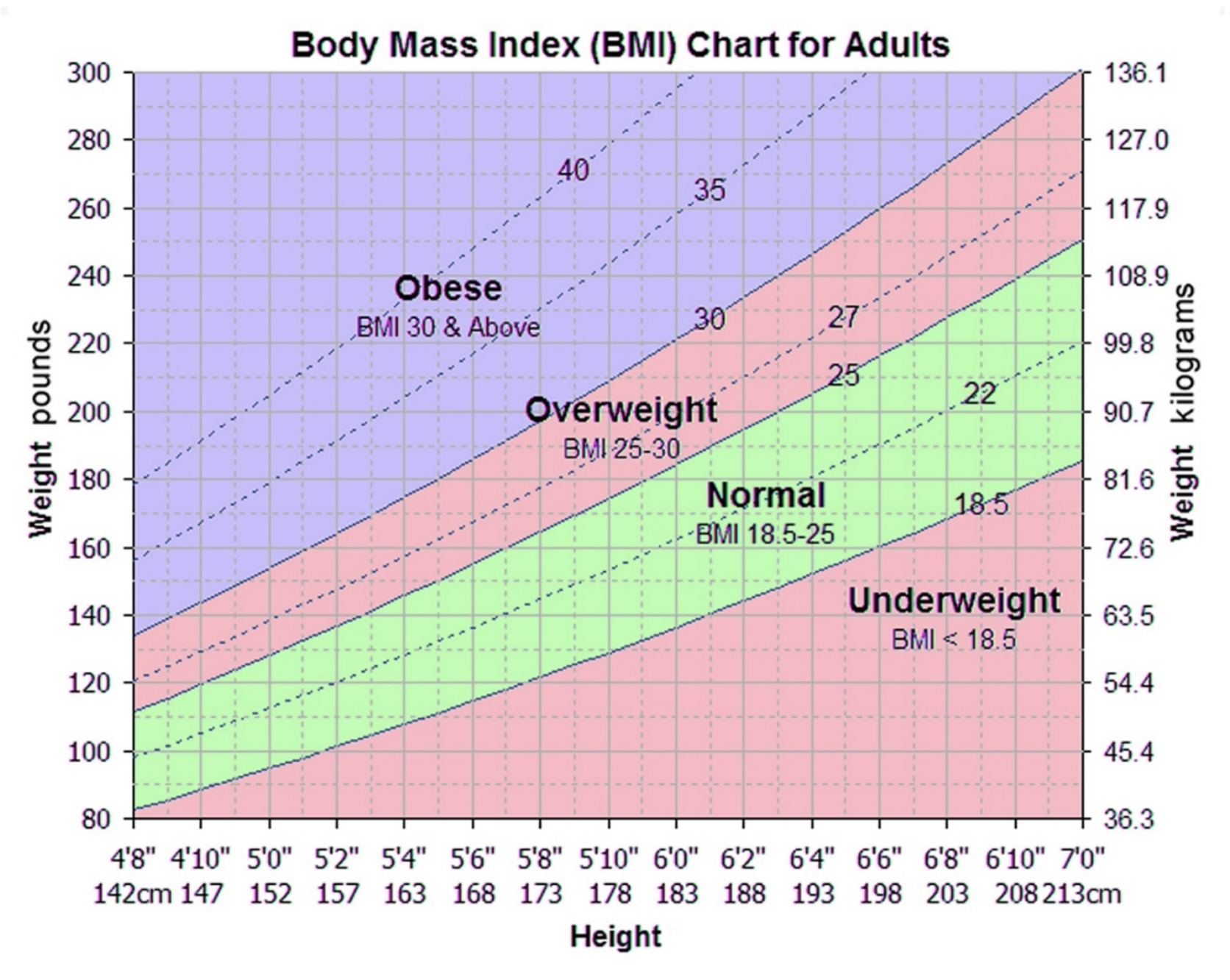
A Holistic Approach to Healthy Weight Measurement
While BMI is a valuable tool, it is essential to consider multiple factors to obtain a more accurate assessment of your weight and health. Your healthcare provider will likely take into account various parameters such as age, body fat percentage, waist circumference, and the presence of weight-related health conditions. Additionally, factors like age, gender, race, and ethnicity may also influence the determination of healthy weight standards.
The Latest Scientifically Backed Methods for Measuring Healthy Weight
In recent years, advancements in scientific research have led to the development of innovative ways to measure healthy weight, specifically tailored for older adults. These methods take into account the changes that our bodies go through as we age and offer more precise evaluations. A weight chart designed specifically for older adults can be an invaluable resource in assessing healthy weight targets based on age and other relevant factors.
In addition to understanding the importance of healthy weight maintenance for older adults, implementing the following recommendations can significantly support your endeavors:
1. Balanced and Nutritious Diet
A well-balanced and nutritious diet serves as the foundation for maintaining a healthy weight. Focus on consuming a variety of nutrient-dense foods, including whole grains, lean proteins, fruits, vegetables, and healthy fats. Avoid processed foods, excessive sugar, and high-calorie beverages as they contribute to weight gain and increase the risk of chronic diseases.
2. Portion Control
Be mindful of portion sizes to avoid overeating. Use smaller plates and bowls, practice mindful eating, and pay attention to your body’s hunger and fullness cues. By moderating portion sizes, you can maintain a healthy weight and prevent excessive calorie consumption.
3. Regular Physical Activity
Engaging in regular physical activity is crucial for weight management and overall health. Aim for a combination of cardiovascular exercises, strength training, and flexibility activities. Consult with a healthcare professional to develop an exercise routine that suits your abilities and preferences.
4. Stay Hydrated
Drinking an adequate amount of water throughout the day is essential for maintaining optimal health and managing weight. Water helps to regulate appetite, improves digestion, and supports overall metabolic function. Avoid sugary beverages and opt for water as the primary source of hydration.
5. Prioritize Quality Sleep
Adequate and quality sleep plays a vital role in weight management. Lack of sleep can disrupt hormonal balance, leading to increased appetite, cravings, and a slower metabolism. Ensure that you establish a consistent sleep routine and create a sleep-friendly environment for optimal rest.
6. Manage Stress
Chronic stress can contribute to weight fluctuations and hinder weight loss efforts. Incorporate stress management techniques into your daily routine, such as mindfulness exercises, meditation, deep breathing, or engaging in activities that bring you joy and relaxation.
7. Seek Professional Support
Consulting with healthcare professionals, such as doctors, registered dietitians, or certified trainers, can provide invaluable guidance and support tailored to your specific needs. They can assess your overall health, nutritional requirements, and create personalized strategies to maintain a healthy weight successfully.
8. Monitor Progress
Regularly monitor your progress by keeping a record of your weight, body measurements, and overall well-being. Tracking your progress allows you to identify any deviations, make necessary adjustments, and celebrate your achievements along the way.
By incorporating these recommendations into your lifestyle, you can enhance the effectiveness of your weight management journey and maintain a healthy weight as you age gracefully.
Remember, each individual is unique, and it is important to find an approach that suits your personal preferences, abilities, and overall health goals.
Conclusion: Empowering Your Weight Goal Journey
Embarking on a healthy weight goal journey can feel daunting, especially when faced with the challenges of aging. However, armed with the right knowledge and guidance, you can navigate this path successfully. By considering various factors beyond BMI, consulting healthcare professionals, and utilizing innovative measurement methods, you can achieve and maintain a healthy weight that is tailored to your individual needs and aspirations.
Remember, your weight is just one piece of the puzzle when it comes to overall well-being. Pairing healthy weight management with regular physical activity, balanced nutrition, and proper sleep can further enhance your quality of life as you age gracefully. Embrace the journey towards a healthier, happier you.
## Recommendations for Healthy Weight Maintenance