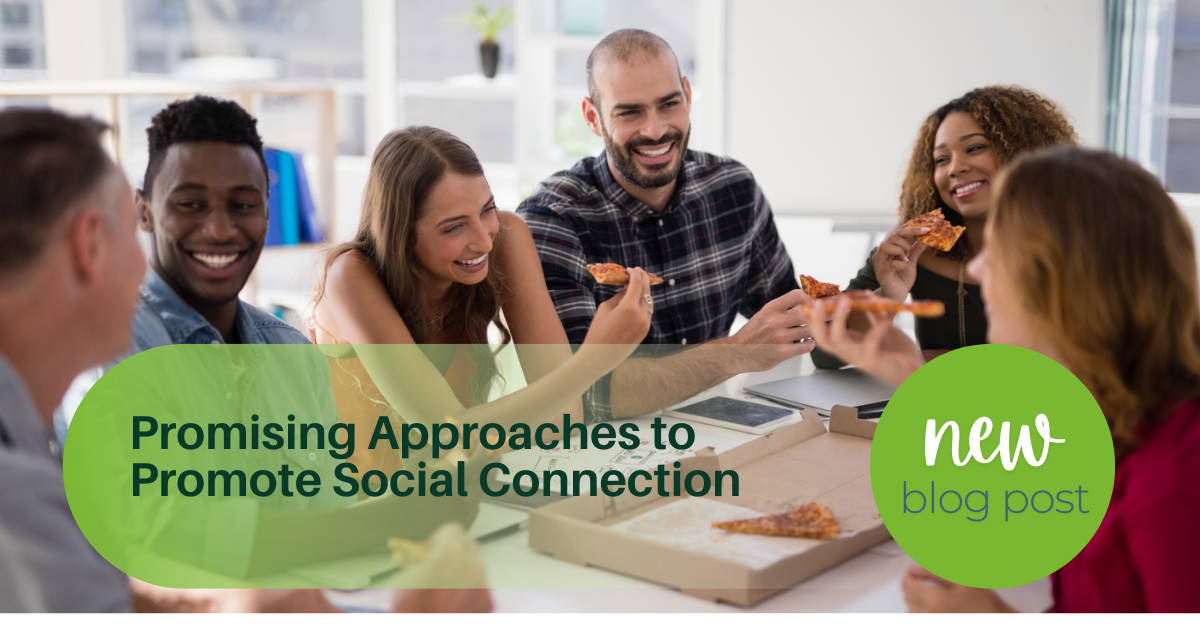
Promising Approaches to Promote Social Connection
Social connection is not just “nice to have”—it is a powerful protective factor for both individual and community health. Strong relationships can lower the risk of chronic disease, reduce serious illness, and help people live longer, healthier lives. ProVention Health Foundation is committed to helping organizations weave social connection into prevention programs, so people are healthier together, not alone.
Why Social Connection Matters for Health
Loneliness and social isolation are now recognized as serious public health issues, comparable in impact to smoking, obesity, and physical inactivity. When people feel connected and supported, they are more likely to engage in healthy behaviors, manage chronic conditions, and recover more quickly from illness.
- Social connection is linked to lower risk of heart disease, stroke, dementia, depression, and premature death.
- Close relationships and community ties build trust and resilience, helping neighborhoods respond better to crises and stress.
This makes social connection a critical ingredient in any chronic disease prevention strategy.
Where Social Connection Happens
Social connection can be strengthened in many settings—often by enhancing programs that already exist.
- Community organizations: Social service providers, faith communities, nonprofits, schools, and local groups can all host programs that bring people together.
- Diverse settings: Assisted living facilities, senior centers, outdoor spaces, workplaces, and virtual platforms can all be used to foster meaningful connection.
- Existing programs: Adding a connection lens to health education, fitness programs, or support groups amplifies both social and health benefits.
Promising approaches focus on both reducing isolation and increasing frequent, highquality interactions, especially for those at greatest risk.
Promising Approaches to Build Connection
Psychological therapies
Psychological interventions can directly target the skills and mindsets needed to form and sustain highquality relationships.
- Psychotherapy, including cognitivebehavioral therapy (CBT), helps people challenge beliefs that fuel isolation and build communication skills.
- Mindfulnessbased practices and group therapy provide safe spaces to practice connection, reduce stress, and improve emotional regulation.
Community-based exercise and physical activity
Community exercise programs improve both physical health and social connection by bringing people together around shared activity.
- Group programs like Tai Chi for Arthritis, Walk With Ease, EnhanceFitness, Bingocize, SilverSneakers, and Arthritis Foundation Exercise Programs combine movement with social interaction.
- These programs are especially effective for older adults and people with chronic conditions, offering both mobility and meaningful connection.
Technology and phone-based programs
Well-designed technology and phone programs can reduce loneliness, particularly for older adults, homebound individuals, or those in rural areas.
- Companionship phone calls, “friendship lines,” and regular checkin calls connect people with trained volunteers or peers.
- Smartphones, video calls, social media, and virtual programming from local institutions, faith communities, and senior centers help people stay connected even when they cannot meet in person.
Health education, skill-building, and peer support
Health programs that explicitly promote social connectedness can address both medical and emotional needs.
- Health education and awareness programs can incorporate social connection, mental health first aid, and suicide prevention strategies.
- Peerled programs, support groups, and chronic disease selfmanagement programs (like the CDC’s Chronic Disease SelfManagement Program) help people share experiences and problemsolve together.
- Support groups such as Circle of Friends or peer mentorship models like Java Mentorship show how structured peer support reduces loneliness and builds skills.
School connectedness
Feeling connected at school is a powerful protective factor for young people’s mental health, academics, and longterm wellbeing.
- Classroom practices that build safe, supportive environments help students feel seen and valued.
- Schoolbased youth development, mentorship, servicelearning, and programs aligned with the Whole School, Whole Community, Whole Child (WSCC) model foster belonging and positive relationships.
Intergenerational programs
Intergenerational programs build bridges between younger and older people, reducing loneliness and enriching both groups.
- Programs pairing youth with older adults for conversation, caregiving support, or cultural activities foster empathy, respect, and shared purpose.
- Examples include tribal wellness practices, childcare in senior centers, and paired supports for new parents and older mentors.
Animal-based interventions
Human–animal interactions can spark connection and ease loneliness, especially in institutional or highstress environments.
- Animalassisted therapy uses trained animals within treatment settings to support emotional regulation and social engagement.
- Companion animals, pet therapy visits, and animalcentered activities can encourage conversation, routine, and shared joy.
Built environment and community design
The way neighborhoods are designed can either support or hinder social connection.
- Creating or improving safe green spaces, walking paths, and gathering areas makes it easier for people to meet and interact.
- Design features that support mobility, accessibility, and community events help all ages—and especially older adults and people with disabilities—stay connected.
How ProVention Health Programs Support Social Connection
ProVention Health Foundation’s mission is to spark innovation in prevention by blending lifestyle change, social support, and community collaboration. Many of the promising approaches above can be integrated into ProVention’s HALT platform and partner programs.
- Group-based learning and coaching
- HALT (Health and Lifestyle Training) programs use group sessions, live coaching, and peer interaction to help participants build relationships while improving nutrition, activity, and stress management.
- Flexible virtual and hybrid delivery
- Online and hybrid options help people join from rural areas, shift work, or home—reducing isolation while still creating real-time connection with coaches and peers.
- Community-centered models
- ProVention partners with employers, health systems, and community organizations to tailor programs for specific populations, including older adults, people with disabilities, and highrisk groups.
- Coach training for connection
- ProVention trains lifestyle coaches not just in nutrition and activity, but also in goalsetting, stress management, and supportive communication—skills that directly foster social connection and belonging.
By weaving social connection into chronic disease prevention and selfmanagement, ProVention helps organizations create programs where people feel seen, supported, and part of something larger than themselves.
Q&A: Social Connection and Community Health
Q: Is social connection really as important as diet or exercise?
A: Yes. Large studies show that strong social relationships are associated with lower rates of heart disease, stroke, depression, dementia, and early death—on par with many traditional risk factors. That is why national leaders, including the U.S. Surgeon General, now describe loneliness and isolation as urgent public health issues.
Q: What can organizations do if they already have health programs?
A: Organizations do not need to start from scratch. They can add group components, peer support, discussion time, or mentorship to existing wellness, fitness, or diseasemanagement programs to strengthen social connection. Partnering with ProVention Health allows them to layer evidencebased lifestyle and connection strategies onto established efforts.
Q: How can my community or organization work with ProVention Health?
A: ProVention collaborates with employers, health systems, nonprofits, and community groups to implement HALT and other prevention programs that combine lifestyle change with social connection. Together, these partnerships can reduce chronic disease risk while building stronger, more connected communities.
Meaningful social connection is one of the most powerful tools available to improve health, resilience, and quality of life—especially for people at risk of or living with chronic disease. By combining evidencebased approaches with community collaboration, ProVention Health Foundation helps organizations turn connection into a core part of prevention. Learn more at ProVention Health.