
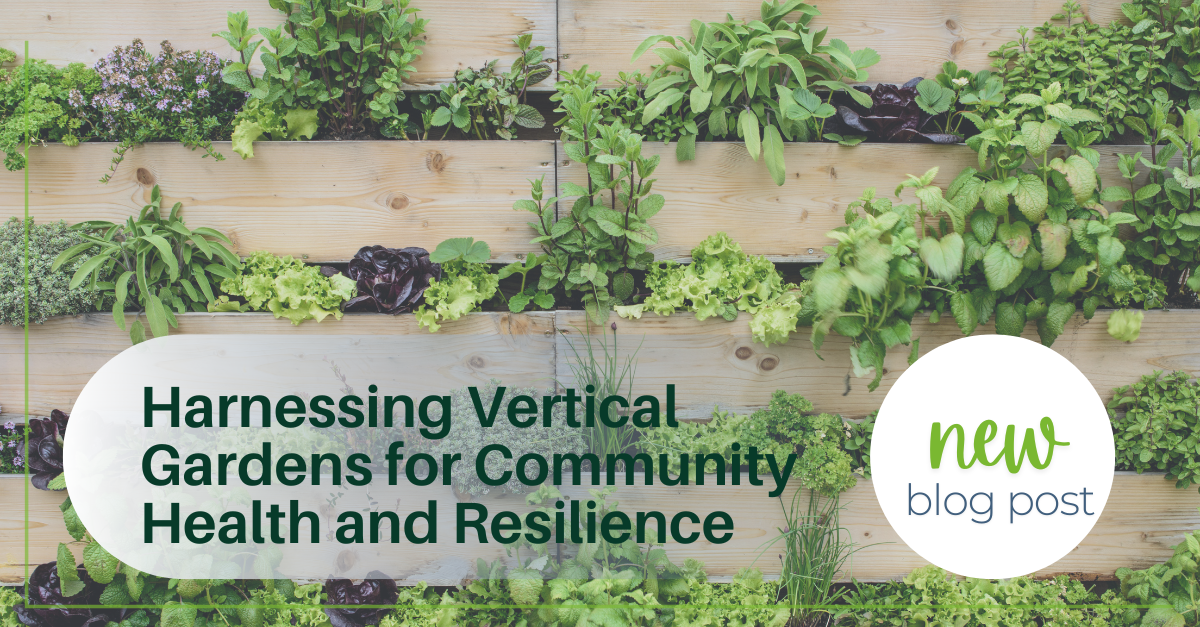
Harnessing Vertical Gardens for Community Health and Resilience
In times marked by climate change, economic shifts, and public health challenges, resilience is no longer just a buzzword—but a vital necessity. Surprisingly, one of the most creative and accessible ways to nurture resilience is taking root in our homes and neighborhoods: the vertical garden.
Why Vertical Gardens? The Power of Going Up
Vertical gardens—also called living walls—are simple yet transformative. They allow people to grow food, flowers, and greenery in small spaces by building upwards rather than outwards. Here’s what makes them remarkable:
- Space-Saving: Ideal for balconies, patios, or even urban sidewalks.
- Sustainability: Reduce food miles, recycle water, and support local pollinators.
- Year-Round Growth: Many designs are versatile for different climates and seasons.
- Community Connection: Encourage neighbors to collaborate and share resources.
- Metaphor for Resilience: Walls that once divided can now nourish and unite.
How Vertical Gardens Build Healthier Communities
- Increase Access to Fresh Food: Transform underused urban spaces into sources of fresh produce.
- Promote Mental Well-Being: Greenery reduces stress and boosts mood.
- Support Environmental Health: Improve air quality and reduce the urban heat island effect.
- Empower Learning: Hands-on education for children and adults about growing and nutrition.
- Foster Collective Ownership: Strengthen bonds within schools, neighborhoods, and organizations.
The Best Foods to Plant in Vertical Gardens
Choosing the right crops is key to a thriving vertical garden. Many compact, fast-growing, and nutrient-rich foods do exceptionally well in vertical systems—perfect for home gardeners and community projects alike. Here are some of the best options:
- Herbs: Basil, mint, parsley, and thyme grow quickly and require little space.
- Leafy Greens: Lettuce, spinach, and kale thrive in vertical gardens and provide excellent nutrition.
- Strawberries: Compact, productive, and perfect for plucking fresh, sweet fruit.
- Cherry Tomatoes: Ideal for vertical trellises and offer abundant harvests.
- Peppers: Both bell and chili peppers add color and flavor, using minimal space.
- Green Beans: Climbing vines that flourish up vertical supports.
- Edible Flowers: Nasturtiums and pansies add beauty and nutrition to any garden wall.
- Microgreens: Fast-growing and highly nutritious, microgreens are perfect for even the smallest vertical space.
By planting a mix of these crops, your vertical garden can be a source of fresh flavor, nutrition, and beauty throughout much of the year!
Real-World Inspiration
A recent short video on vertical gardening—watch here: YouTube: Vertical Gardens—captures the impact of simple solutions in transforming concrete into ecosystems that feed both body and spirit.
Spotlight: Juice Plus and Their Tower Gardens
A standout leader in the vertical gardening movement is Juice Plus with their innovative Tower Garden systems. Tower Gardens are aeroponic, vertical growing systems that allow people to cultivate a variety of vegetables, fruits, and herbs using no soil and less than 10% of the water and land required by traditional farming. This makes them especially impactful for urban environments, schools, and households with limited space.
Key Benefits and Features:
- Efficient & Sustainable: Grow up to 20–28 plants in just three-square feet, indoors or outdoors, all year round.
- Health Focus: Facilitates access to fresh, nutrient-rich produce, supporting healthier diets and food security.
- Easy to Use: The systems are beginner-friendly and come with everything needed to start growing—ideal for schools, families, and communities.
- Educational Impact: Used in classrooms nationwide, Tower Gardens foster hands-on learning about nutrition, science, and sustainability while sparking student engagement and curiosity.
- Community Reach: Programs like Monmouth Conservation Foundation’s Kids for Conservation have distributed Tower Gardens to schools, empowering children to grow their own food and learn about healthy eating and environmental stewardship.
By promoting easy, sustainable access to fresh produce, Juice Plus and their Tower Gardens are helping communities “grow resilience one wall at a time.” Their leadership in vertical gardening demonstrates how creative, scalable solutions can make nutritious food
Q & A: Getting Started with Vertical Gardens
Q: I have very limited outdoor space. Can I still build a vertical garden?
A: Absolutely! Vertical gardens are designed for small footprints. You can install systems on balconies, fences, or indoor walls. Even repurposed materials—like pallets or plastic bottles—can be used for DIY projects.
Q: What can I grow in a vertical garden?
A: Try these plants: fresh herbs (mint, basil), leafy greens (lettuce, chard), strawberries, edible flowers, or vines like beans and tomatoes—tailor your garden to your taste and environment.
Q: Do vertical gardens require a lot of maintenance?
A: Not necessarily. Choose low-maintenance plants and set up simple irrigation systems, like drip lines or self-watering containers, to make care easy—even for beginners.
Q: How can organizations and communities get involved?
A:
- Start small—host a vertical gardening workshop for residents, employees, or students.
- Use public spaces (walls, fences, or building exteriors) for communal green projects.
- Connect with local gardening clubs or environmental organizations for partnerships.
Conclusion: Small Spaces, Big Possibilities
Resilience begins not only with policies, but with the creative actions taken in our daily lives and communities. Vertical gardens represent more than fresh greens—they are proof that when we plant together, we grow together.
At ProVention Health Foundation, we’re passionate about sparking conversations—and actions—that lead to healthy, resilient communities. Whether you’re tending a single pot or cultivating a living wall, every step is a move toward collective well-being.
Learn more about community wellness initiatives and innovative solutions at www.mondaybig.com